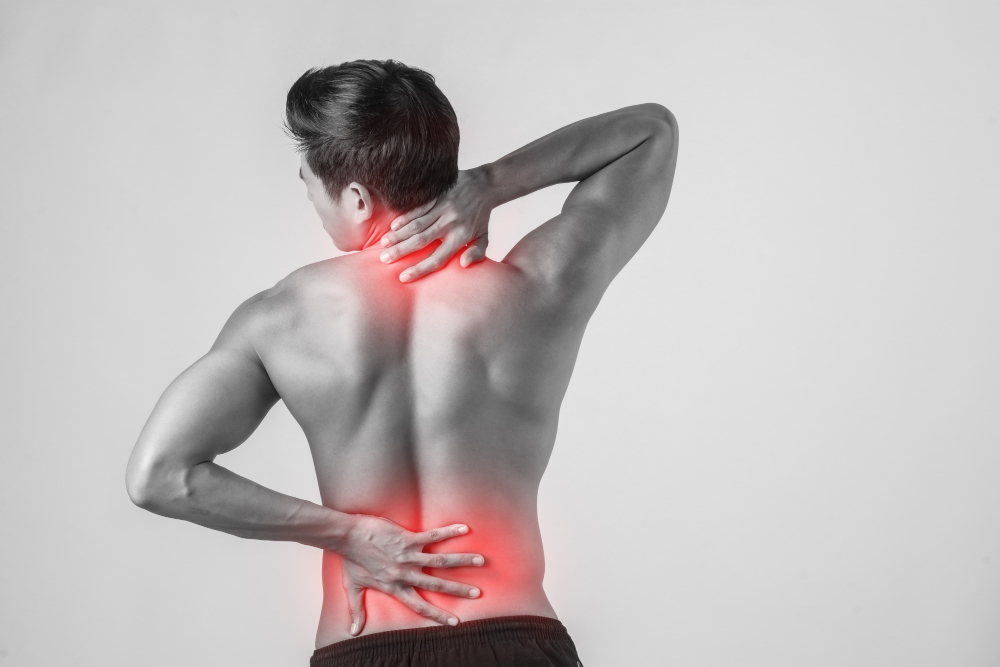
Spine problems don’t always show up as back pain. Here’s what else to look out for.
When people think about spine problems, back pain is usually the first thing that comes to mind. But the spine does far more than support your posture. Think of it this way: the spine holds a complex network of nerves that carries messages between your brain and the rest of your body. It controls how you walk, what you feel, and even how your bladder functions.
When those nerves are compressed or irritated, the symptoms often appear in a variety of seemingly unrelated ways.
How Spine Problems Show Up Elsewhere
The most common cause is nerve compression. This happens when a herniated disc, thickened ligament, or narrowed spinal canal places pressure on nearby nerves. You might notice:
- Weakness, heaviness, or unreliability in your legs
- Numbness or tingling that travels from the lower back into the buttocks, legs, or feet
- Difficulty walking, climbing stairs, or standing for extended periods
These symptoms develop gradually and are frequently mistaken for fatigue, poor circulation, or normal ageing. Many people consult several specialists for leg or urinary symptoms without ever connecting them to the spine.
When It Becomes Urgent
More concerning are symptoms involving bladder or bowel function. Difficulty passing urine, loss of bladder control, or numbness around the groin and inner thigh region may indicate a condition known as cauda equina syndrome. Although rare, this condition represents a medical emergency because the nerves at the lower end of the spinal canal are being compressed. Prompt diagnosis and treatment are essential to reduce the risk of permanent neurological damage.
What To Do If This Sounds Familiar
If you are experiencing leg weakness, persistent numbness, balance difficulties, or any change in bladder or bowel function, don’t dismiss them as unrelated or inevitable. See a doctor and inform them of every symptom, including the bladder or bowel changes.
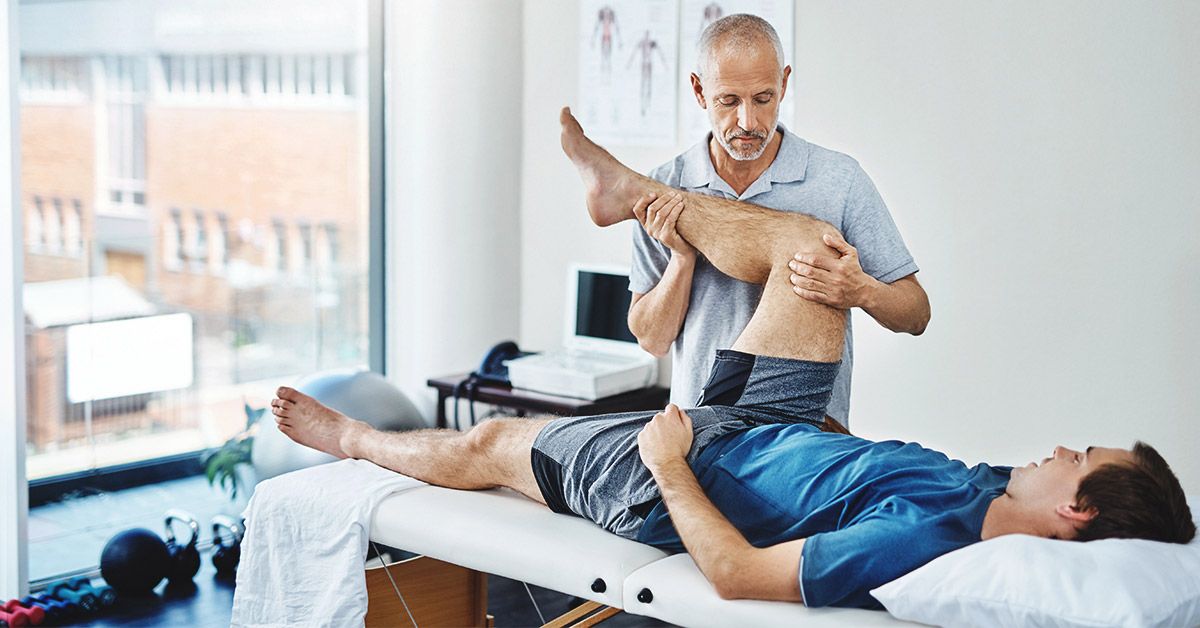
Modern MRI scanning allows doctors to evaluate the spinal cord, discs, and nerves in precise detail. Finding the cause early opens the door to a much wider range of non-invasive options including physiotherapy, targeted injections and medications. Surgery is a last resort, only when truly necessary.